University of Hamburg
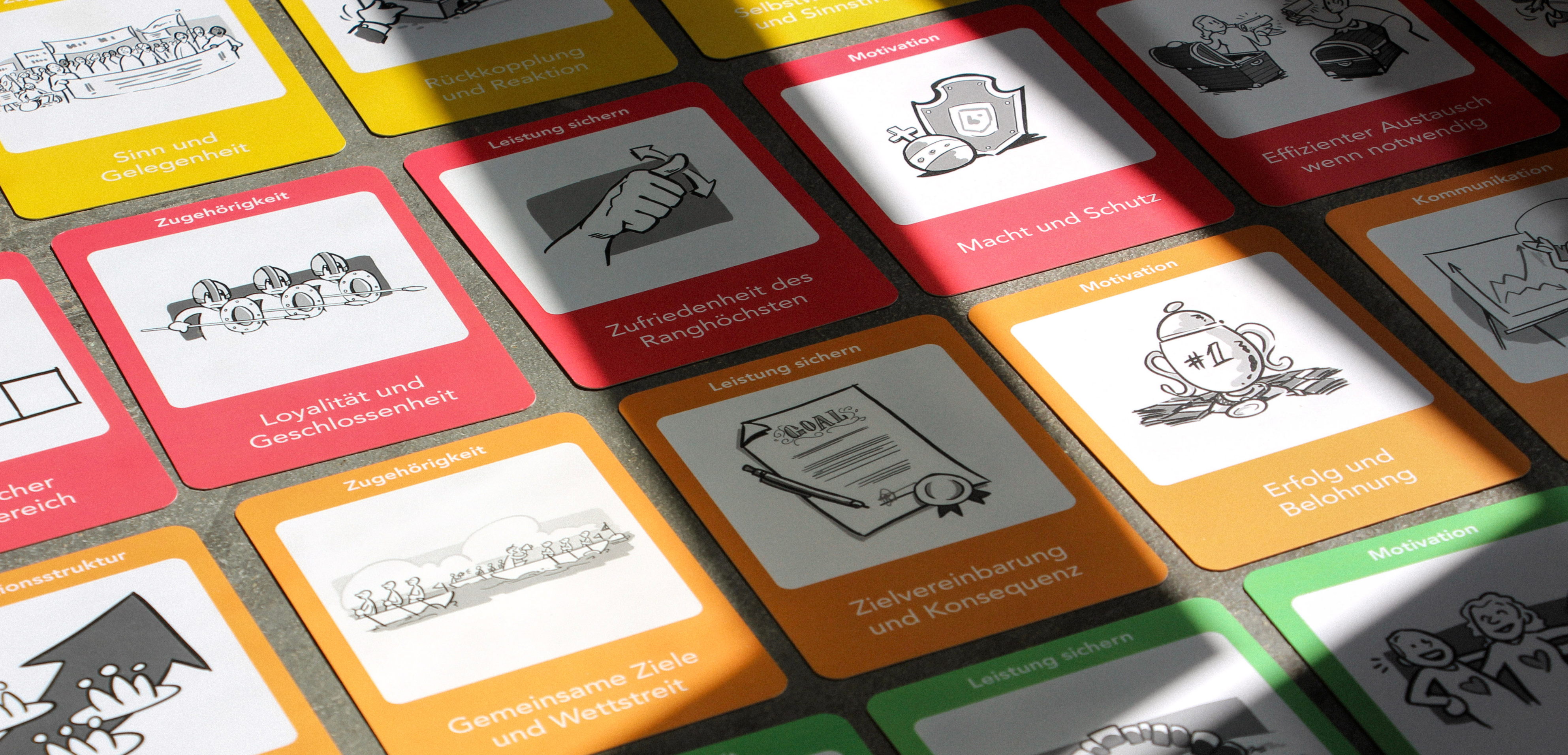
With over 43,000 students, the University of Hamburg is not only one of Germany’s largest universities. In 2019, it also proved its research strength within the federal and state excellence strategy and has since carried the title of “University of Excellence.” To research and educate at such a high level, you need more than top talent—you need a system that supports that work. Or, as the new president Hauke Heekeren puts it: a culture of communication.
When Heekeren took office in 2022, he brought with him a clear credo rooted in his mindset. He wants more participation, more self-responsibility, and more collaboration across the institution. Given the university’s established structures, that means one thing above all: real change.
What sounds visionary on paper, however, first needs room to unfold within such a complex organization. That’s why the university’s executive board launched a project together with TheDive to kick off change at its very core — the culture.
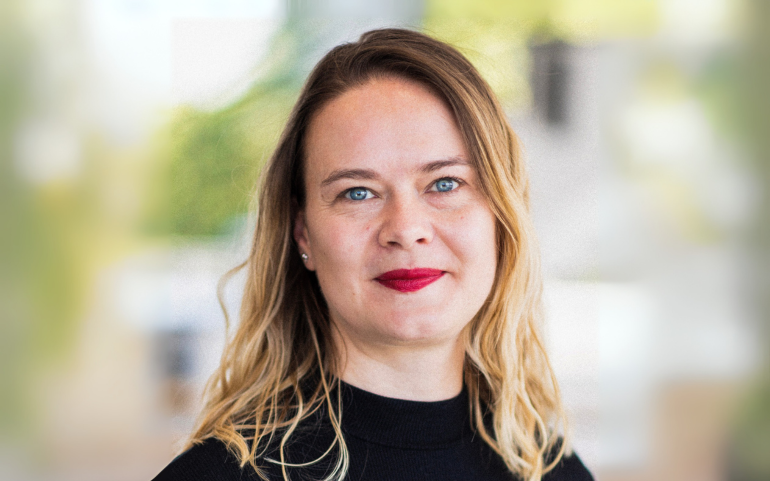
For the cultural shift, the team chose the Seed Approach — an agile method developed by transformation architects and TheDive partners Dr. Johannes Ries and Christian Fust.
Unlike top-down change strategies, the Seed Approach works more like a grassroots movement, shifting culture from the ground up. Employees develop so-called culture prototypes in their teams — small initiatives designed to change how they work.
“We didn’t want new rules, we wanted new spaces. That changed so much — and in the end, it was often easier than we thought.”
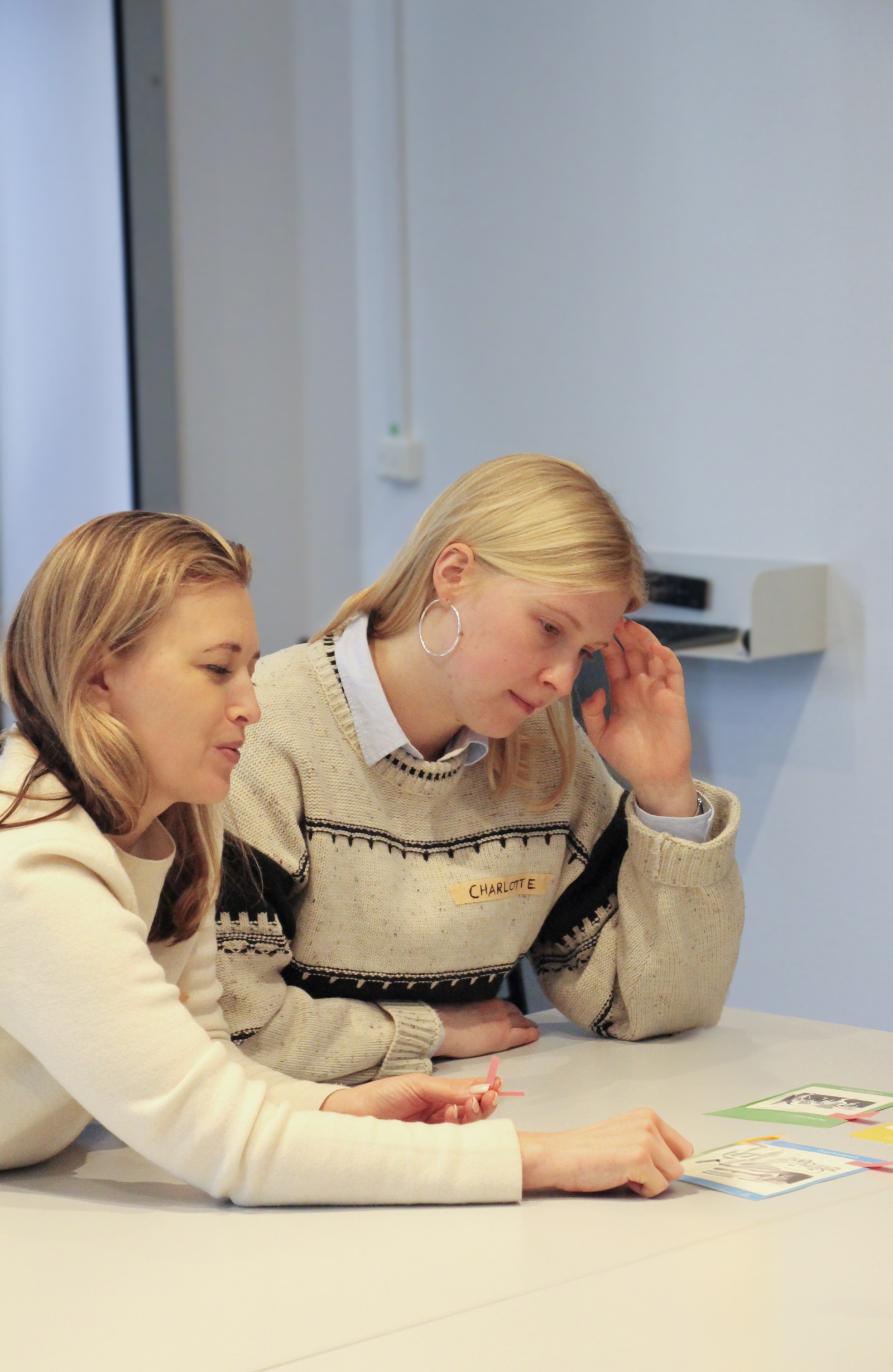
Instead of putting every member of the university through a full Loop Approach, we equipped different teams with individual methods to develop culture prototypes that fit them and their culture. Supported by Loop methods and sprint formats, selected teams learned how to practically and safely test these new ways of working: through tension-based collaboration, holacratic meeting formats, co-creative design processes, and a “safe enough to try” mindset.
Meetings became shorter. Responsibilities became clearer. Collaboration became more effective. In short: a flow emerged in the operating system.
In the early phase, TheDive clearly shaped the process: workshops, formats, and impulses. The process was led by Mirja Bastian and Miriam Wilhelm, who set the first steps together with the executive board. But the longer the project ran, the more naturally the steering group began to take ownership — from defining needs to implementing methods.
“At the beginning, especially in the first meetings with the executive board or with the first groups, we really leaned on you,” says Rosalie Förster. “Over time, we became more independent. We knew what we needed and structured ourselves.”
A key moment was the workshop with the deans. Suddenly everyone was using first names, there was theatre, laughter, and discussions on equal footing. Then the strategy work flowed almost by itself. For Förster, it was a completely new scene — and a sign of what the project was really about and what had already changed.
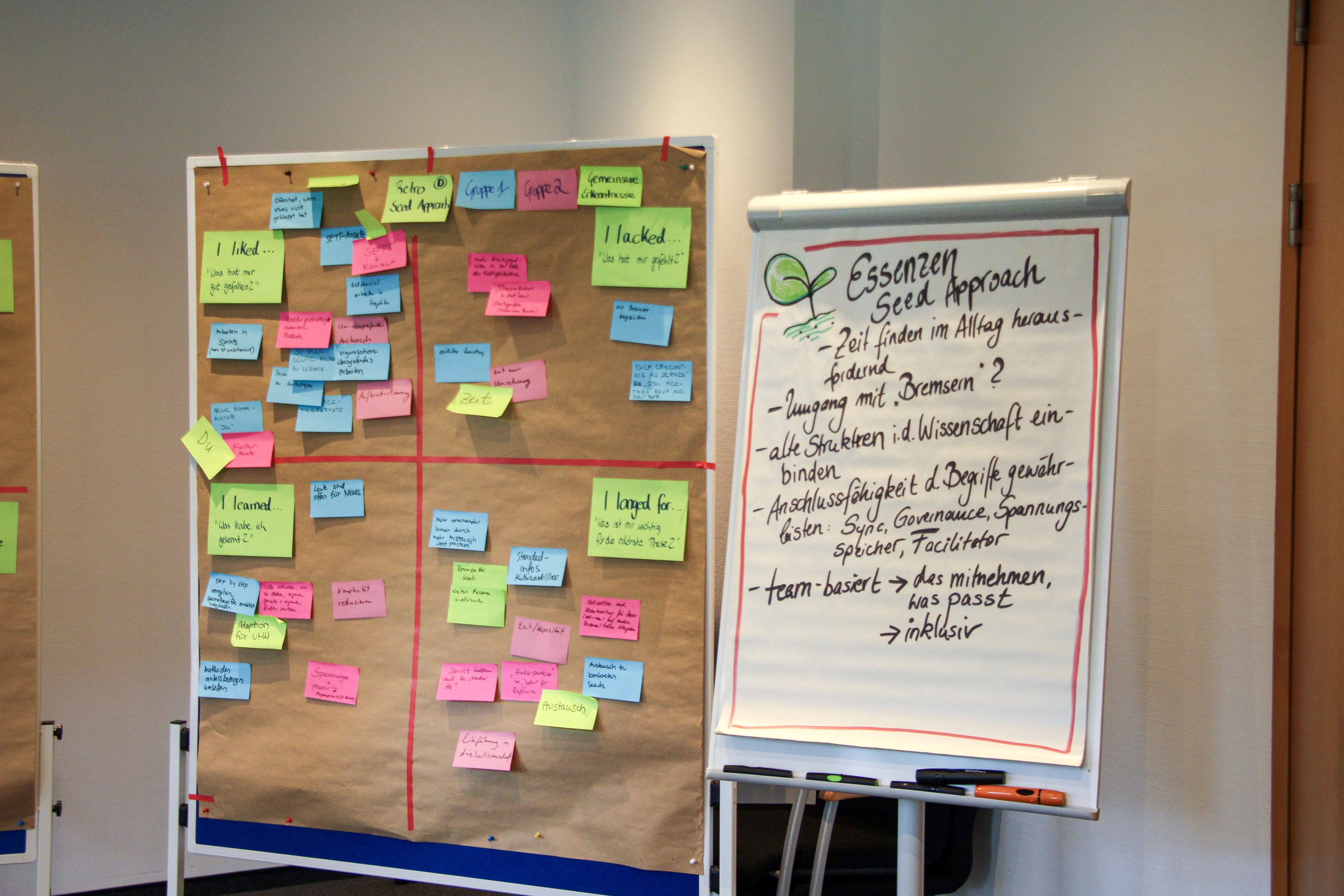
Today, the transformation has long since become an in-house project, and its impact is visible in many places. The university leadership has developed a Vision 2030 — with clear strategic priorities and annual goals. There are already three trained Loop Guides who independently support teams internally and systematically drive change. The Sync Meetings have emerged as a particularly powerful tool — so much so that more and more colleagues became curious about how they actually work. To meet this growing interest, the university produced its own video series: in it, the Loop Guides clearly explain what matters and how to run effective meetings.
The shift is even visible in language: the university now uses “du” (informal address). It may sound small, but it’s a huge step.
Of course, the transformation at the University of Hamburg is not finished. But it has reached a new level of maturity. Collaboration between faculties and central administration is closer than ever. And awareness is growing: culture is not a project — it is what we shape together every day.
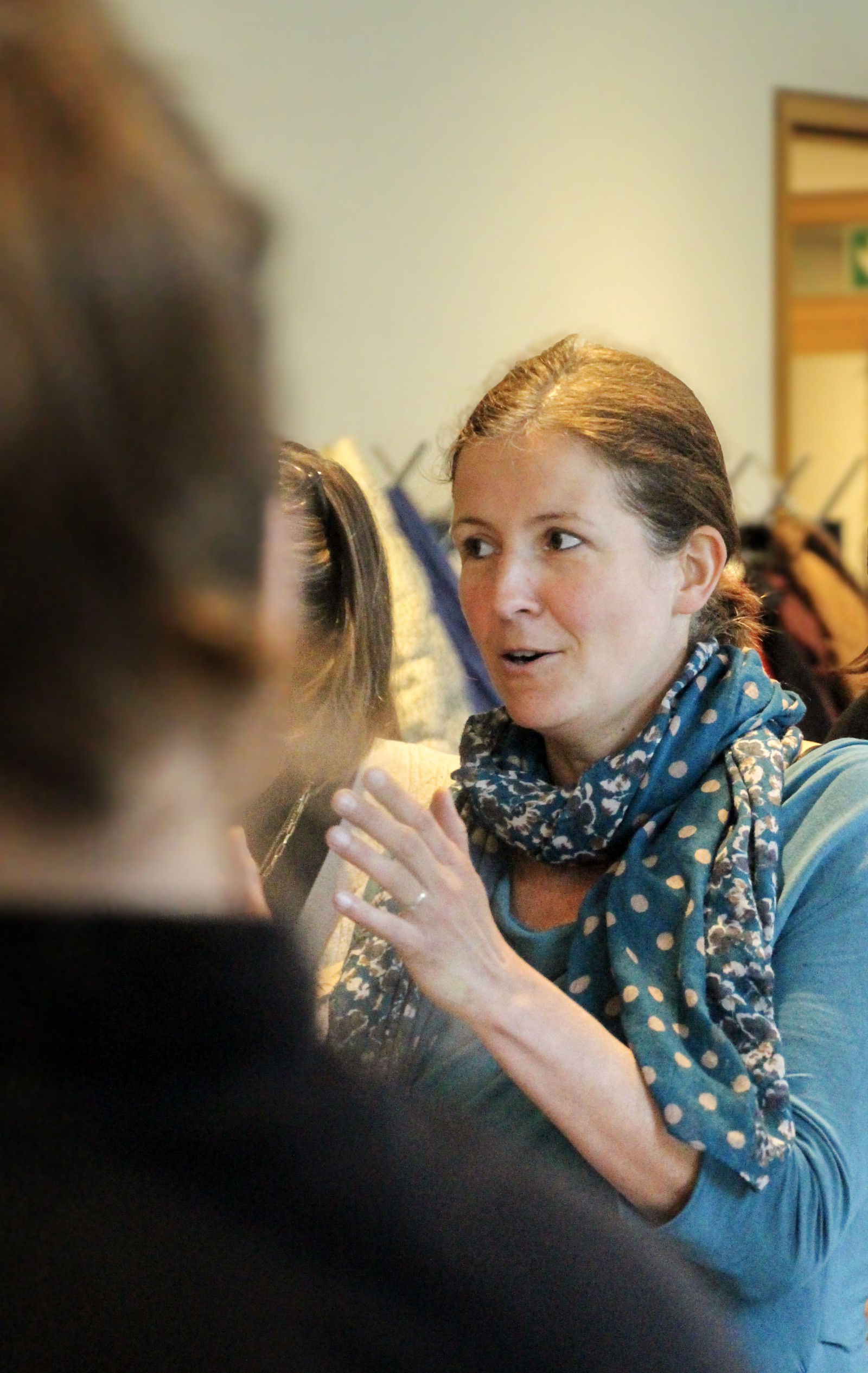
“The work has become easier and more joyful. We’re working with people again, not just processes. You can see it in how others react too: everyone can tell that something has changed here.”
139
Hours of workshops spent
85
Employees involved
25
Culture initiatives developed out of intrinsic motivation
Do you have a specific project request?
Our advisor Felix would be happy to talk with you — either via email or in a personal meeting.



New things are constantly emerging at TheDive.
With our newsletter, you’ll stay up to date.

New things are constantly emerging at TheDive.
With our newsletter, you’ll stay up to date.