What kind of spaces do we need
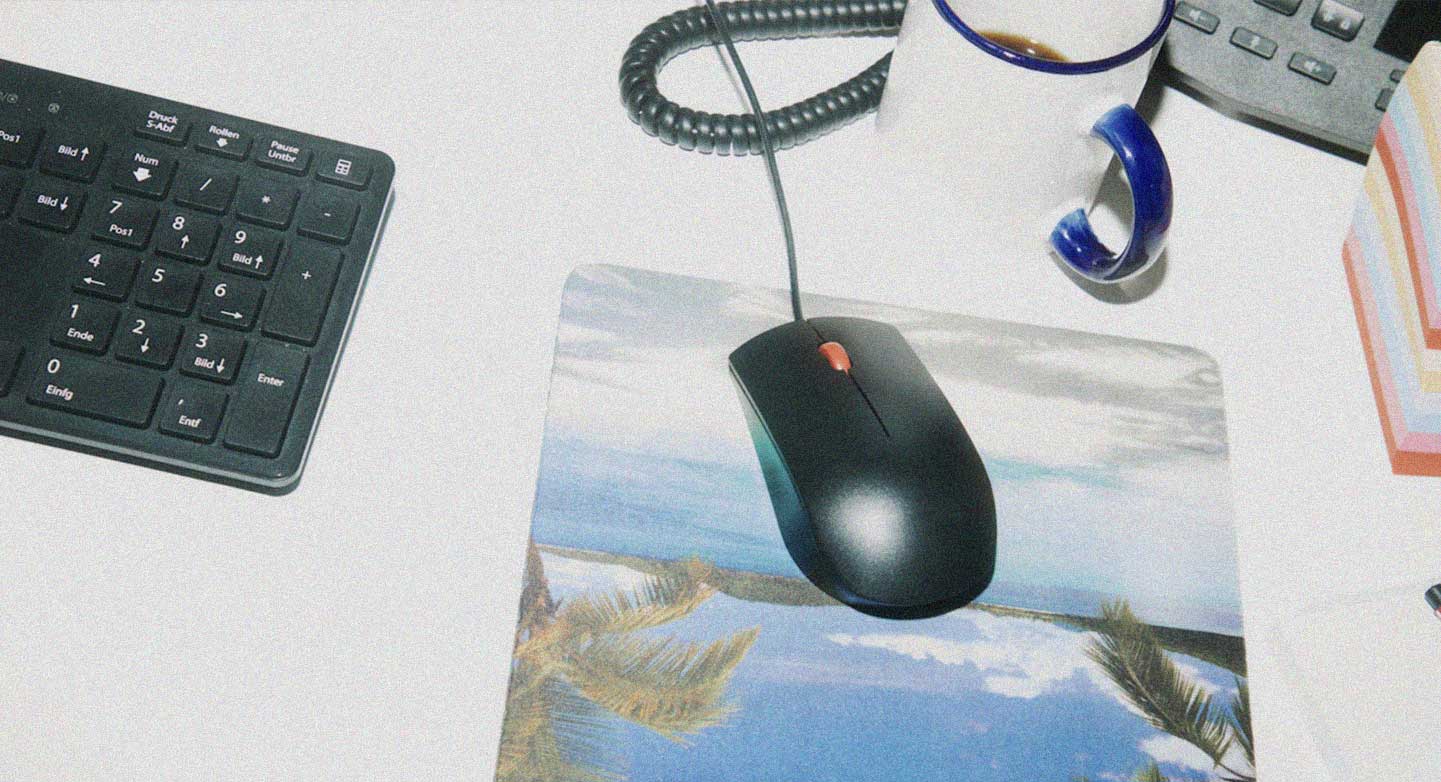
I still remember a time when every phone call started with the question, “Where are you right now?” Because it was so unbelievably new that the person on the other end could simply be anywhere with their mobile phone—no longer like before, when you had to walk to the hallway or living room to answer, because that’s where the phone was. For years, decades, it was always limited to wherever the cable came out of the wall and how far it reached, sometimes stretched tight…
Technically speaking, we could have made this declaration of independence about where we work a long time ago. Network coverage in Thailand on the beach might even be better than in downtown Berlin, and phones and laptops are so fast that it barely matters where you are. It’s about where you think you’re working from.
Still, it took several lockdowns for us to really embrace the virtual space and its possibilities—and to be somewhat surprised by what we were suddenly able to do. Remote only. And only now, when we can choose between here and there, do we realize that the decision is mainly one thing: a cultural question. Not a technical one.
While some companies see a sudden spike in applications after rolling out a “work anywhere” policy (Airbnb), Elon Musk is giving remote work a categorical rejection. And in between, there are countless shades of options and debates. Internal surveys with our clients show that it’s often the leaders who want more mandatory office presence.
Of course, the question of where we want to work remains a privilege for those doing so-called “knowledge work.” For many others, the working world in hospitals, manufacturing, services, and so on simply keeps going. Even so, the idea of “thinking from anywhere” is currently going through a reality check in companies across the board.
From the very beginning at TheDive, we’ve also been asking what kinds of spaces people need to do good work—and how users can create the spaces they need for the way they work. Then Corona happened. And suddenly it became even more interesting to put our assumptions to the test.
Together with our clients, we’re figuring out what work environments and cultural setups organizations need right now. In the process, we’ve noticed that the discussions are often very mechanistic. Not infrequently, they’re mainly a tug-of-war over attendance percentages. Mandatory for everyone, of course. Only to then expand the battlefield to include compensation for commuting and home-office equipment.
Yes, you can create new facts and give people a new point of orientation with that. But:
For this kind of experimentation, new mental spaces already begin to open up—simply by shifting the level of the questions:
- Shouldn’t binding rules be set by the teams themselves, individually?
- Might a developer team need completely different collaboration modes than colleagues in legal or marketing?
- Would it help to have well-documented trial phases, where one option is tested alongside many others so we can get smarter together?
- And is everything really possible remotely? Or do we believe in the power of physical places and the magic of real encounters?
- And when we talk about presence: what do we actually want to use this precious time together for, intentionally?

Until the lockdown, we were sometimes met with a bit of a smile when we repeated this mutual influence like a mantra. Now that this space has expanded into the virtual and hybrid on so many levels, the connections and entanglements with mindset and company culture have become impossible to ignore. A culture of trust? Autonomy? Feedback? Everything is asking whether we really meant it—and still mean it. The answers will be as diverse as the organizations themselves—and they will be key answers to the question of who will want to work for which company in the future.
And yes: at TheDive, we believe in the power of physical places and the magic of real encounters. We believe that moments of real togetherness will become increasingly rare for many people, and that makes them all the more meaningful. At the same time, we know how important retreat, autonomy, and focus are to enter a state of creative productivity.
Finding good agreements for this “both—and” within a system—and balancing the forces of attraction and repulsion that come with it—is an essential exploration when it comes to the future of work. And it’s one that will keep engaging us for a while.
Written wirelessly in the Wi-Fi-free corner of a garden south of Berlin.



New things are constantly emerging at TheDive.
With our newsletter, you’ll stay up to date.

New things are constantly emerging at TheDive.
With our newsletter, you’ll stay up to date.